
In today’s competitive market, operators are continuously striving to set themselves apart. One of the most critical ways to achieve this is through establishing a strong, unique selling proposition (USP).
While the concept of a USP is well-known, it’s surprising how often its importance is overlooked or undervalued when it comes to design. A clear and effective USP can transform a business, helping it to not only define its identity but also gain a substantial market share. But the question is, are design concepts becoming increasingly familiar across the market, and is this prompting operators to put more effort into identifying their USPs?
As we all know, the key to success in this highly competitive environment lies in differentiation. Without a well-defined USP, a business risks blending into a sea of similar offerings, which makes it harder to stand out. This is where design plays a crucial role. Your design brief should stem directly from your USP, shaping every decision made along the way.
Unfortunately, too often, operators and designers overlook this vital connection, which can result in a lack of focus and missed opportunities to build a truly distinctive brand.

The Trap of Following Fleeting Trends
We’ve all seen it – designs that follow the latest trends in the industry. While it’s natural to draw inspiration from what’s popular, relying too heavily on trends can lead to designs that ultimately lack depth and authenticity. These designs may look trendy at first glance, but when stripped of their surface-level appeal, they often fail to serve the deeper purpose of the space or resonate with the end-user.
The notion that imitation is the “highest form of flattery” is a sentiment that often rings true in the design world. However, across the market, this can sometimes result in a mismatch of ideas. Designs that look visually appealing at first may lack real innovation or fail to reflect the unique requirements of the project. This becomes especially evident in sectors like healthcare, where functionality, comfort, and a deeper connection with the environment are paramount. Unfortunately, some designers don’t fully understand the specific needs of the healthcare market, leading to designs that, while aesthetically pleasing, fail to address the functional and emotional needs of the residents.


The Danger of a Disjointed Concept
A design concept that fails to consider the big picture can lead to a final result that feels incoherent or disconnected. This is especially common when individual design elements are not aligned with the overarching needs of the project. Too often, designers focus on the visual appeal of elements without thinking about how they contribute to the overall purpose of the space. This can lead to environments that may look good on paper but fail in practice.
For healthcare spaces, the needs of the residents and operational requirements should always be at the forefront of the design process. If a design is too focused on aesthetics and not enough on practical considerations, such as accessibility, comfort, and usability – it risks becoming a failure in the most important areas. The result is not just a wasted investment but a missed opportunity to create a space that truly elevates the experience for the residents.
Raising the Bar with Strategic, Collaborative Approaches

There is a significant opportunity to raise the bar when it comes to design in the healthcare sector and beyond. The key is to take a strategic approach from the outset, one that’s closely aligned with the brand’s USP and informed by the unique needs of the project. This is where collaboration with experienced project teams can make all the difference.
When operators work closely with skilled designers, architects, and other stakeholders who understand the broader vision, the result is more than just a visually stunning space. It’s a thoughtfully designed environment that is both innovative and deeply connected to the project’s goals. This approach ensures that every design element serves a purpose, whether it’s functional, emotional, or aesthetic.
Those who adopt this level of strategic collaboration will continue to stand out in an increasingly crowded market. By carefully aligning design with a clear USP, operators can not only create spaces that resonate deeply with their audiences but also ensure they’re offering something truly unique.
In conclusion, while design trends may come and go, the importance of a strong, purpose-driven design strategy cannot be overstated. By taking the time to define a clear USP and aligning it with the design brief, operators can create environments that not only meet the needs of the residents but also stand out in the market for all the right reasons. The opportunities for success are there – those who take a thoughtful, strategic approach will be the ones who rise above the competition.

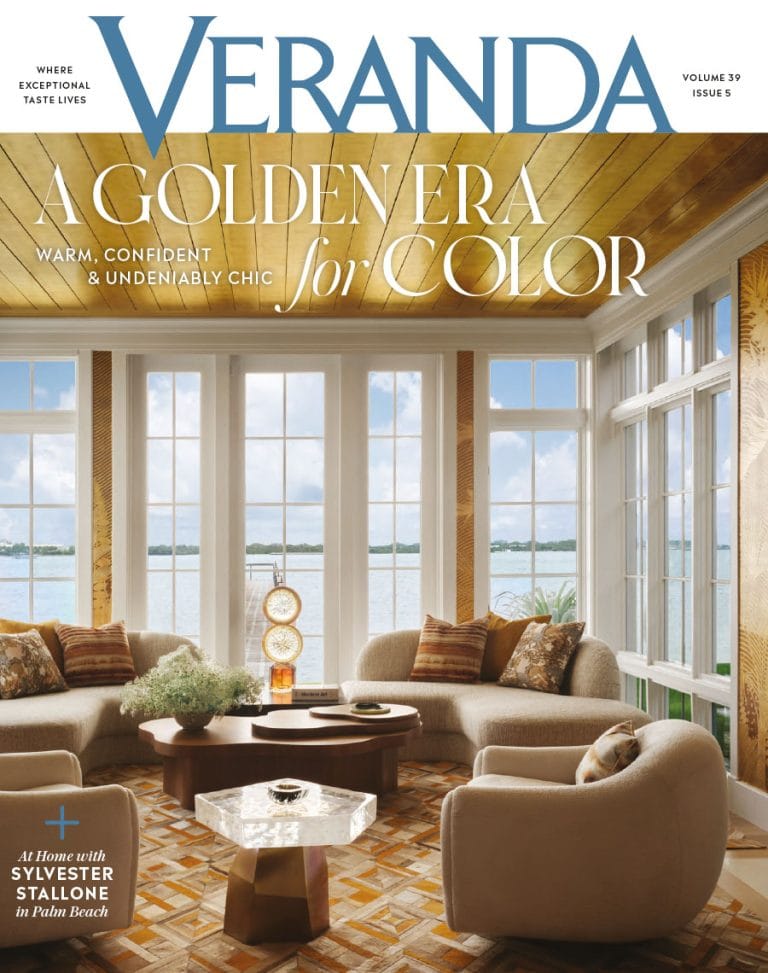
Images from a select portfolio of the Hadrian Healthcare – Manor House Brand – thoughtfully curated with exceptional execution.